

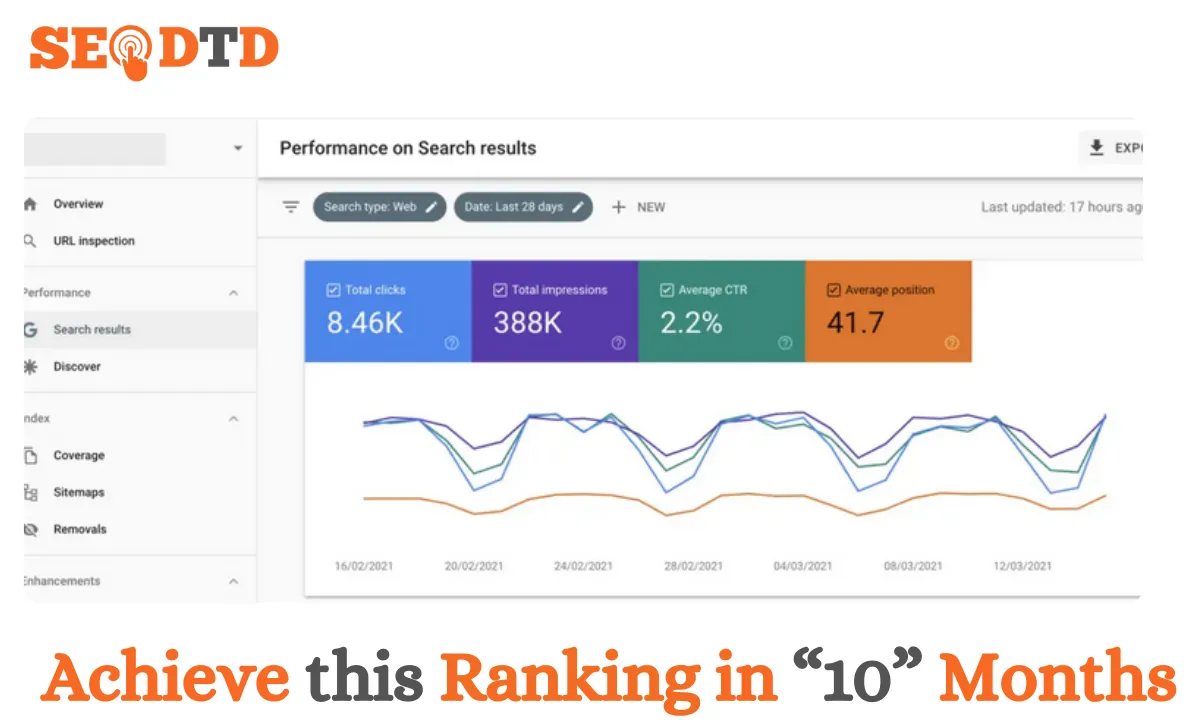
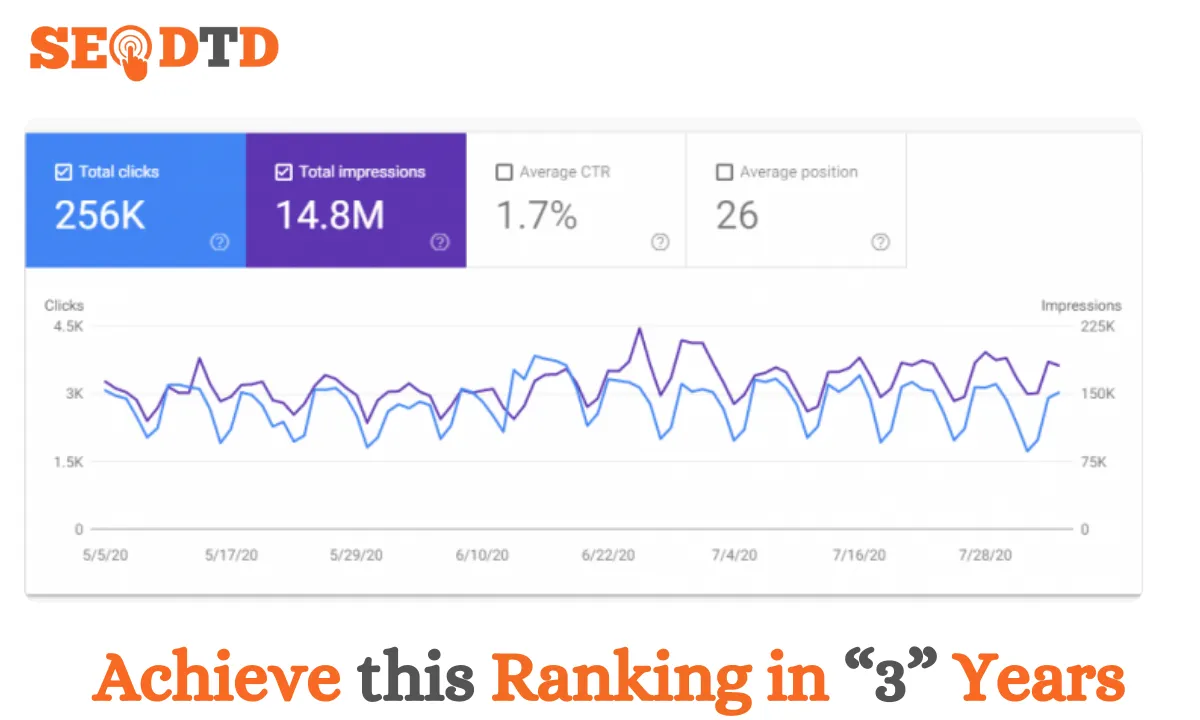

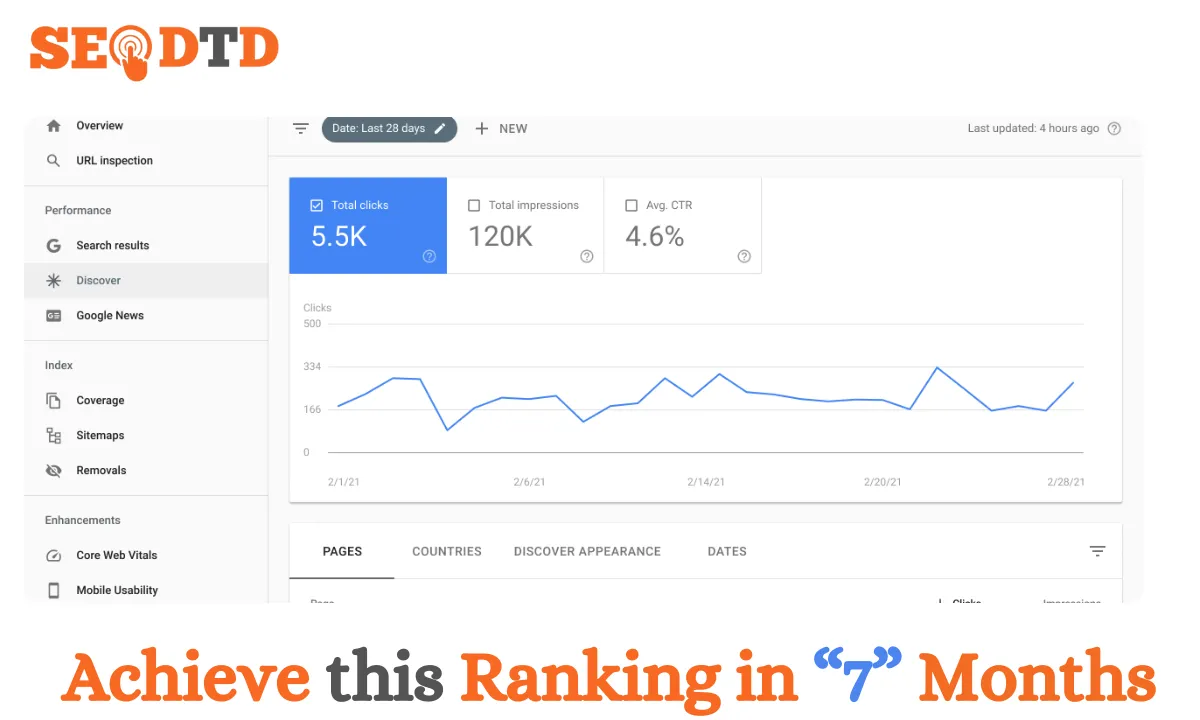

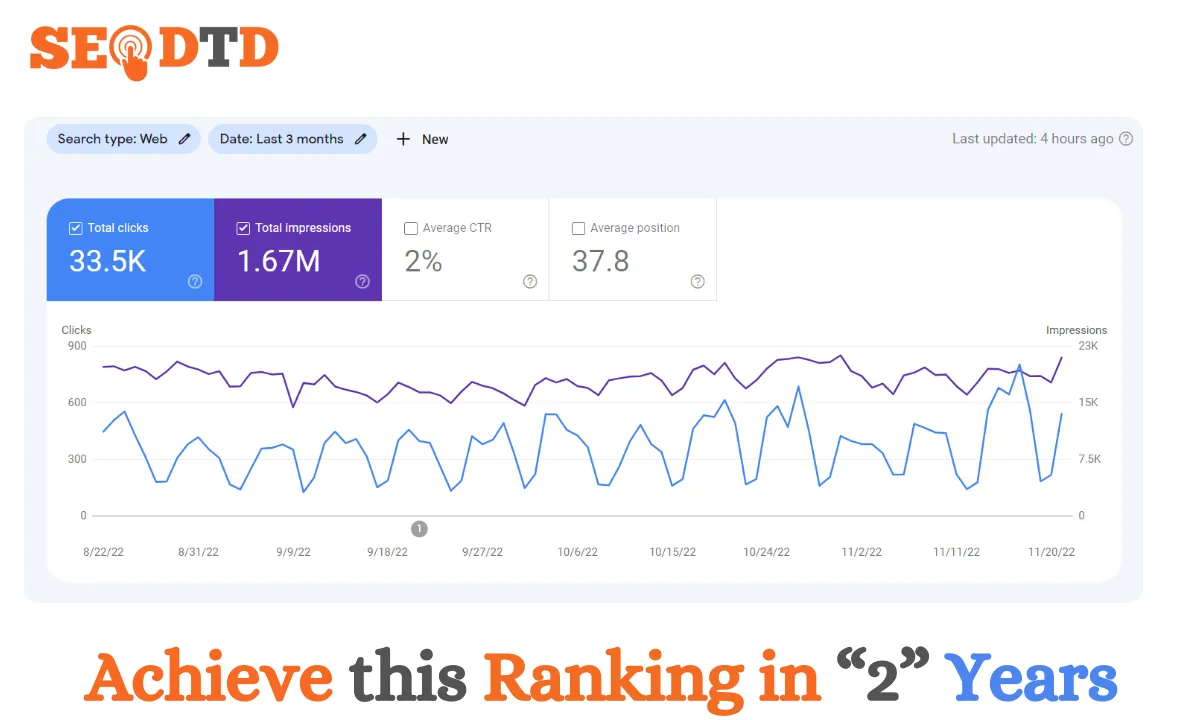
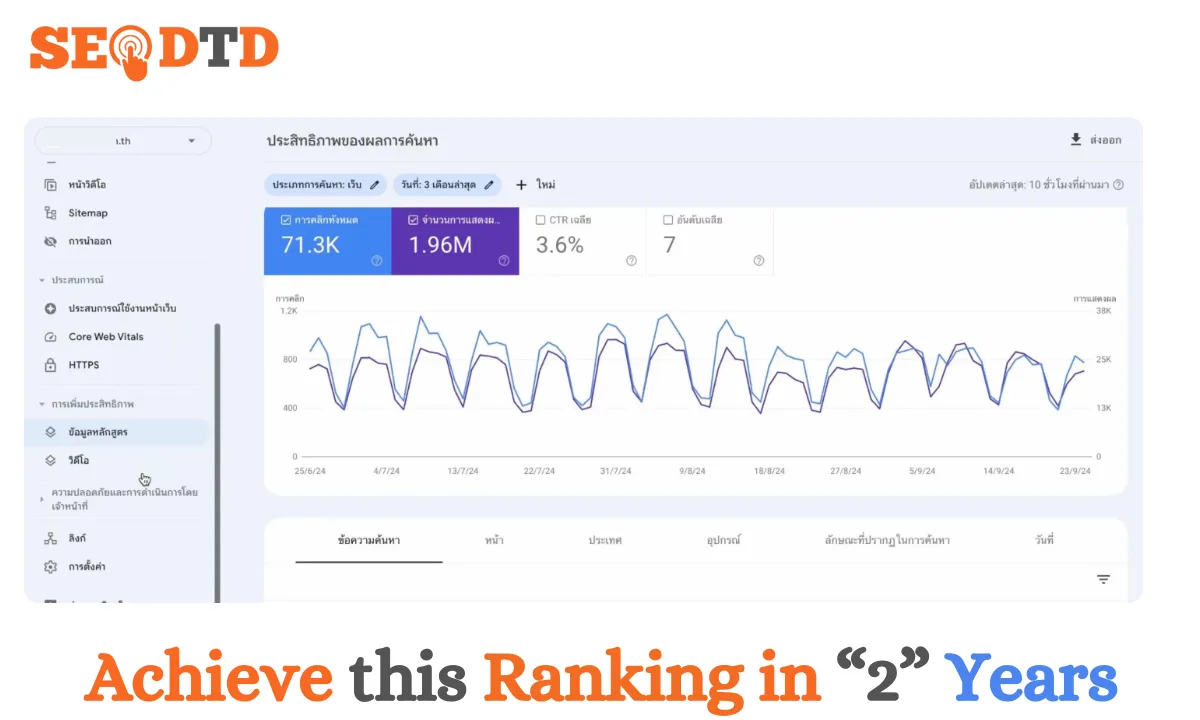
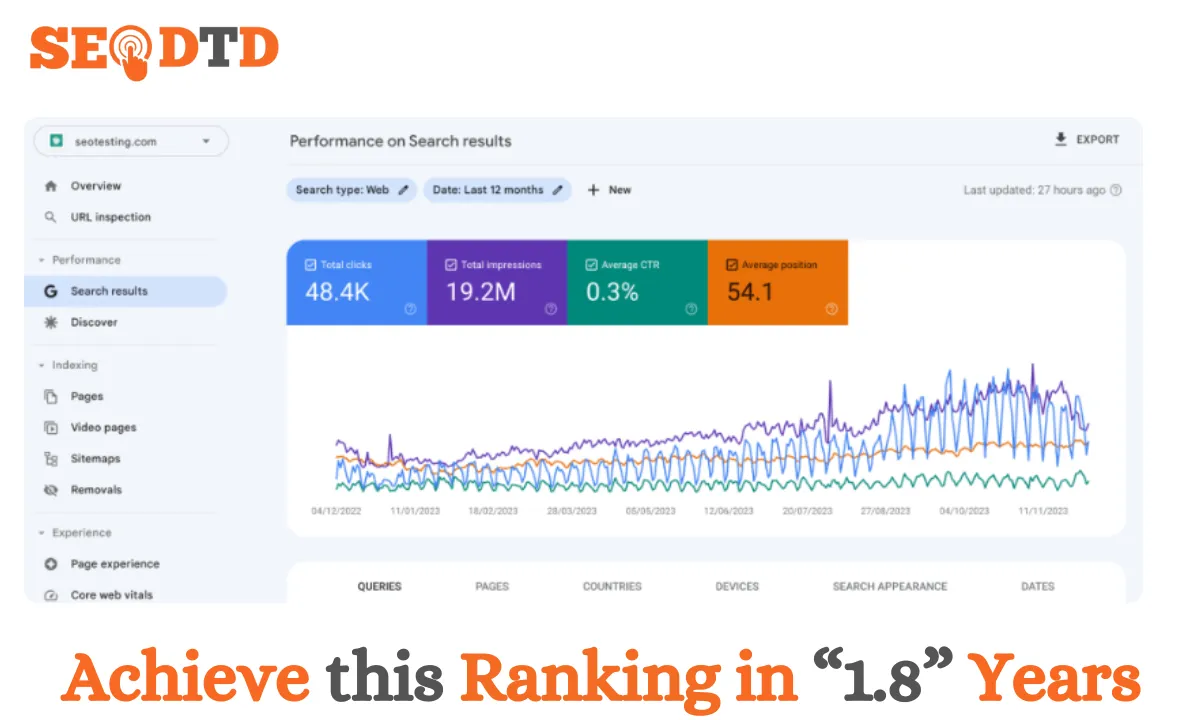
An SEO agency in Lancashire worth hiring will combine deep local market knowledge with structured topical authority building, technical precision, and reporting that connects directly to your revenue. The agencies that deliver lasting results start with a full diagnostic before touching a single page, build content architecture before writing a single word, and measure success by business outcomes, not vanity metrics.
Lancashire is a serious commercial county. Over 54,000 businesses compete across Preston, Blackburn, Burnley, Chorley, Lancaster, and every town in between. Every day, people across the county search Google before they spend money. They search “accountant Preston,” “plumber Blackburn,” “solicitor Burnley,” “restaurant near me Chorley.” The businesses that appear at the top of those results are not there by chance. They invested deliberately in SEO, and those investments compounded over time into a durable competitive advantage that gets harder to displace the longer it is maintained.
Most Lancashire business owners know SEO matters. The hard part is identifying which agency to trust. The market is dense with providers making identical promises: “top rankings guaranteed,” “proven results,” “we grow your business online.” It all sounds the same because most of it is the same a generic playbook applied to every client regardless of industry, location, or competitive context.
This guide is built around one central question: what does a genuinely effective SEO agency in Lancashire actually do, and how do you identify one before you commit a budget to them? It covers every dimension of that question in enough depth that you can evaluate any agency conversation with full confidence.

What Does an SEO Agency in Lancashire Actually Do?
SEO is the process of making your website more visible in Google’s organic search results for queries that matter to your business. In practice, it is not a single service. It is a set of interconnected disciplines that all have to function together before any of them deliver meaningful, sustained results.
A capable SEO agency in Lancashire works across five core pillars simultaneously.
Technical SEO is the structural foundation. It covers your website’s crawlability, indexation, page speed, mobile responsiveness, Core Web Vitals scores, URL structure, schema markup, and internal linking architecture. A site with serious technical problems cannot rank well regardless of how strong the content is. Google has to efficiently find, read, and understand your pages before it will serve them to anyone. Technical issues are often invisible to business owners but carry significant ranking consequences. This is why every serious SEO campaign starts with a full technical audit before any other work begins.
On-page SEO is the work done on individual pages to align them with specific search queries and user intent. This includes crafting title tags and meta descriptions, organising headings in a logical hierarchy, placing relevant terms in semantically meaningful locations, improving image optimisation, and building internal anchor structures that help Google understand how your pages relate to each other.
Content strategy is where durable rankings are actually built. Google’s core mission is to surface the most relevant, authoritative answer to every search query. Businesses that publish genuinely useful, well-structured content consistently and that cover their subject area with real depth — earn what SEO specialists call topical authority. Once Google associates your site with a subject area comprehensively, it surfaces your pages across a much wider range of related searches, not just the handful of keywords you originally targeted.
Link building earns your site references and backlinks from other credible websites. Search engines treat these as third-party credibility signals. One editorial link from a relevant, respected publication outweighs a hundred links from generic directories. The quality and relevance of your backlink profile remains one of the strongest signals in Google’s ranking algorithm.
Local SEO is the practice of optimising specifically for location-based searches. When someone in Lancashire searches “physiotherapist Chorley” or “plumber Preston,” Google serves results based on proximity, relevance, and local authority signals. Local SEO involves Google Business Profile optimisation, local citation building, review generation and management, and creating geo-targeted content that matches how people across Lancashire’s towns actually search.
All five of these areas have to work together. An agency that focuses only on content without resolving technical problems, or that builds links without improving on-page relevance, will not produce meaningful movement.
Why Local SEO in Lancashire Operates Differently from National SEO
National SEO and local SEO follow different logic, and understanding the difference matters significantly for Lancashire businesses.
A national campaign targets high-volume, broadly competitive keywords. It requires substantial domain authority, a large content footprint, and often years of investment before it delivers returns. A local campaign targets geo-specific queries searches that include town names, county references, or “near me” modifiers. These searches carry higher commercial intent and far more manageable competition levels.
Lancashire’s commercial geography reinforces this. Businesses here serve defined, specific communities. A dental practice in Chorley is not competing nationally. It is competing with four or five other dental practices within a few miles. The person searching “dentist Chorley” already knows where they want to be. Local SEO is what puts you in front of them at that moment.
Google Business Profile is the centrepiece of local search visibility. When your profile is optimised with accurate NAP data (name, address, phone), correctly categorised, populated with quality images, and regularly updated with posts and offers, it substantially increases your chances of appearing in the Local Pack the map-based results that appear at the top of the page for local queries. Those three positions generate a disproportionate share of clicks and customer enquiries. The same principle applies whether you are running a local SEO campaign in Lahore or a targeted programme for a Lancashire market local intent signals dominate.
Agencies that understand Lancashire build genuinely local strategies. They know which directories matter for businesses in the North West, how search patterns differ between Preston and Blackburn, how to structure location pages that serve real user intent rather than just inserting town names into copied content, and which local publications and business associations offer meaningful link building opportunities.
The Topical Authority Approach: Why Query-Path Coverage Changes Everything
Most agencies start with a list of target keywords and write content around them. This is not wrong, but it is incomplete. It produces individual rankings that are fragile, isolated, and easy to displace.
The methodology associated with SEO researcher Koray Tugberk GUBUR starts from a different position. Instead of asking “what keywords should we target?”, it asks: “what is every question a user could have within this subject area, and how do we organise answers to all of them into a coherent, interconnected content architecture?”
This shifts the goal from ranking for isolated keywords to building genuine topical authority across an entire subject domain.
In practice, for an SEO agency client in Lancashire, a topical map does not begin with “SEO services Lancashire” and stop there. It maps out the full landscape of questions a Lancashire business owner might have:
- What is SEO and how does it work?
- How is local SEO different from national SEO?
- How long does SEO take to deliver results?
- What is technical SEO and why does it matter?
- What is topical authority and how is it built?
- How does content strategy connect to ranking?
- What makes a quality backlink versus a harmful one?
- How do you track SEO performance properly?
- What should the first 90 days with an SEO agency look like?
- How is SEO different from Google Ads, and should I do both?
Each of those questions becomes a piece of content, mapped to a specific user intent, connected to related pieces, and structured within a broader topic cluster. The result is a website that covers its subject with the kind of depth Google associates with genuine expertise. Once that association is established, the site surfaces for a far broader range of searches including queries that were never explicitly targeted.
This is how businesses in Lancashire build compounding, durable search visibility rather than fragile rankings that collapse at the next algorithm update. Agencies that apply this methodology the same methodology behind effective content-led SEO programmes consistently outperform those working from a shallow keyword list.
What Services a Full-Service SEO Agency in Lancashire Should Deliver
Before evaluating any specific agency, it helps to know what the complete offering should look like for a Lancashire business serious about growing its organic presence.
Technical SEO Audit and Ongoing Maintenance
Every credible SEO engagement starts with a thorough technical audit. This maps your current site’s health: crawl errors, indexation problems, speed issues, mobile usability failures, broken internal links, duplicate content, missing schema markup, and Core Web Vitals scores. Without this baseline, any strategy is guesswork.
Ongoing technical maintenance matters because websites change. New pages are added, redesigns are launched, redirects are mishandled. A proper SEO retainer includes regular technical reviews to catch problems before they become ranking drops.
Keyword and Entity Research
Modern SEO keyword research goes beyond search volume. It maps user intent why someone is searching, what stage of the decision process they are in, and what kind of content will genuinely satisfy that search. It also maps entities: the concepts, topics, and relationships that Google uses to understand your subject area and assess your authority within it.
For a Lancashire business, this means researching not just broad service terms but the full spectrum of location-specific, intent-specific, and topic-specific queries that your potential customers use across every stage of their decision journey.
Topical Map Creation
The topical map is the strategic plan that organises all content production. It identifies every topic, subtopic, and supporting piece needed to establish genuine authority in your subject area. It maps how those pieces connect to each other through internal linking, and how they support the commercial service pages they are meant to strengthen.
This is where most agencies fall short. Without a topical map, content production is reactive and unstructured. Blog posts are written based on whatever seems relevant that month, with no cumulative logic. A proper topical map turns content production into a deliberate, compounding investment.
Content Production and Optimisation
Quality always outweighs volume. A single well-researched, genuinely useful, carefully structured piece of content built around clear user intent outperforms five thin posts written to hit a monthly output target.
Every piece of content should serve a specific purpose within the topical map: answer a particular user question, support a commercial page, build internal link equity toward a priority target, or close a topic cluster gap. Content that exists without strategic purpose generates traffic noise rather than business results. This is why content marketing tied to a defined topical architecture consistently outperforms blog output that is not strategically anchored.
Link Building and Digital PR
Editorial links from relevant, respected publications remain one of the strongest ranking signals. Link building for Lancashire businesses should focus on acquiring mentions and backlinks from industry-relevant sites, regional business publications, local associations, and credible national media where relevant.
Volume-based link building buying links, submitting to low-quality directories, participating in link exchanges produces short-term metric movement and long-term ranking risk. The agencies worth working with build links through genuine digital PR: producing content worthy of citation and placing it in front of the publications that cover your industry.
Local SEO for Lancashire
Google Business Profile management is the starting point. Beyond that, local SEO for Lancashire involves building consistent citations across directories that carry authority in the North West, developing location-specific service pages targeting individual towns and areas, running a structured review acquisition strategy, and monitoring and responding to reviews in a way that signals active business engagement.
For businesses serving multiple Lancashire towns, a solicitor with offices in Preston and Blackburn, a trades business covering the whole county a properly structured multi-location SEO strategy allows visibility across all target areas without creating duplicate content or conflicting page signals. The same structured approach behind effective local SEO services applies here: location intent requires location-specific signals, not just generic pages with town names inserted.
Pay-Per-Click as a Complement to SEO
During the months when organic rankings are still building, PPC advertising fills the visibility gap. A targeted Google Ads campaign for high-intent local queries in Lancashire keeps enquiries coming while SEO compounds in the background. The two channels are most powerful when the keyword intelligence from paid campaigns informs the SEO content strategy, and when organic rankings eventually reduce the reliance on paid spend.
Social Proof and Brand Signals
Search engines pay attention to how users behave once they reach your site, and how your brand is perceived across the web. Social media marketing builds the brand signals and audience engagement that reinforce the authority your SEO programme is constructing. A Lancashire business with a consistent, credible social presence sends stronger overall trust signals than one that is invisible outside of its website.
Performance Reporting and Strategic Reviews
The right reporting connects SEO activity to business outcomes. Rankings are a signal, but the commercial metrics that matter are qualified website traffic, enquiry volume from organic search, phone calls attributed to local search, and revenue generated from organic visits.
A reporting framework that only shows keyword position movement without connecting it to business impact is telling you where the needle is pointing without telling you whether the car is moving.
How to Evaluate an SEO Agency in Lancashire: The Questions That Reveal the Truth
When shortlisting agencies, the following questions cut through pitch language and reveal whether an agency has the depth to deliver.
What does your audit process look like before you propose a strategy?
Any agency that proposes deliverables before completing a diagnostic has skipped the most important step. A credible answer describes a thorough review of technical health, content gaps, backlink profile, and competitor analysis before any strategy is proposed.
How do you approach content strategy?
Weak answers reference “quality content” and “regular blogging.” Strong answers describe a process for topical research, intent mapping, topic cluster architecture, and a clear explanation of how individual pieces connect to each other and to commercial targets.
Walk me through how you build links.
The answer should describe a process built around relevance and editorial credibility. If the answer prioritises volume, mentions directory submissions as a primary tactic, or involves paid link placements without clear disclosure, treat it as a warning.
What will your reports show, and how do they connect to business outcomes?
Strong answers go beyond rankings and traffic to cover enquiry volume, conversion rates from organic visitors, and attribution of business outcomes to specific SEO activities.
What do the first 90 days look like?
A credible agency describes a staged process: audit and diagnosis first, strategy second, then prioritised implementation. Agencies that skip straight to content production or link building without the diagnostic phase are not working from evidence.
Do you use long-term contracts?
Month-to-month arrangements signal agency confidence in the value of their work. Rolling contracts that lock you in for twelve months without performance benchmarks benefit the agency, not the business.
How Long Does SEO Take to Deliver Results in Lancashire?
There is no universal timeline, but the following is a reliable guide based on consistent patterns across SEO campaigns.
In the first 30 to 60 days, the work is primarily diagnostic and structural: technical audit and remediation, keyword and entity research, topical map development, and on-page optimisation of existing commercial pages. Significant ranking movement is unlikely in this window, but the foundation being laid determines the quality of everything that follows.
Between months two and four, the effects of technical improvements begin to register. Pages that were previously crawled inefficiently start being indexed properly. On-page improvements lift existing rankings for pages that were already close to page one. Early content published within the topical map begins accumulating indexation and initial ranking signals.
By months four to six, businesses with no existing technical barriers and a consistent content and link building output typically see measurable increases in organic traffic and enquiry volume. Local SEO results, particularly Google Business Profile improvements, often appear faster within weeks in some cases because local competition is more contained than national search.
The compounding nature of SEO is what makes it strategically different from paid advertising. A Google Ads campaign stops generating traffic the moment the budget stops. An SEO investment builds a ranking asset that continues generating traffic without ongoing cost per click. The value of that asset grows the longer the investment continues.
Why the Right SEO Agency in Lancashire Is a Long-Term Business Decision
Choosing an SEO agency is not a purchase. It is a strategic partnership that shapes how your business grows over the next several years.
The agencies worth working with are transparent about timelines, honest about what is and is not within their control, and genuinely invested in understanding your business rather than applying a template. They build content strategies based on your specific customer’s search behaviour. They build links through tactics that strengthen your site rather than ones that create risk. They report on the metrics that matter to your business, and they adapt strategy when data shows that adaptation is necessary.
Lancashire businesses that commit to a well-executed, genuinely strategic SEO programme build something that competitors cannot quickly replicate: domain authority, topical authority, local trust signals, and a content library that answers every question a potential customer might have before they make a decision.
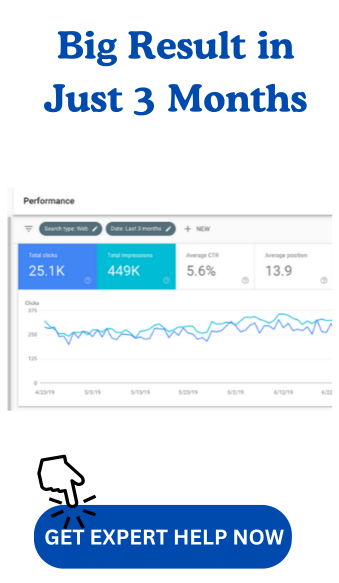
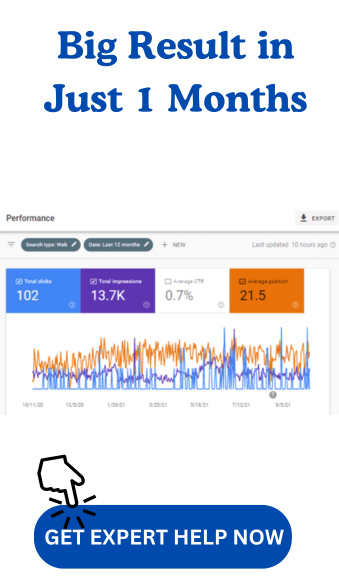
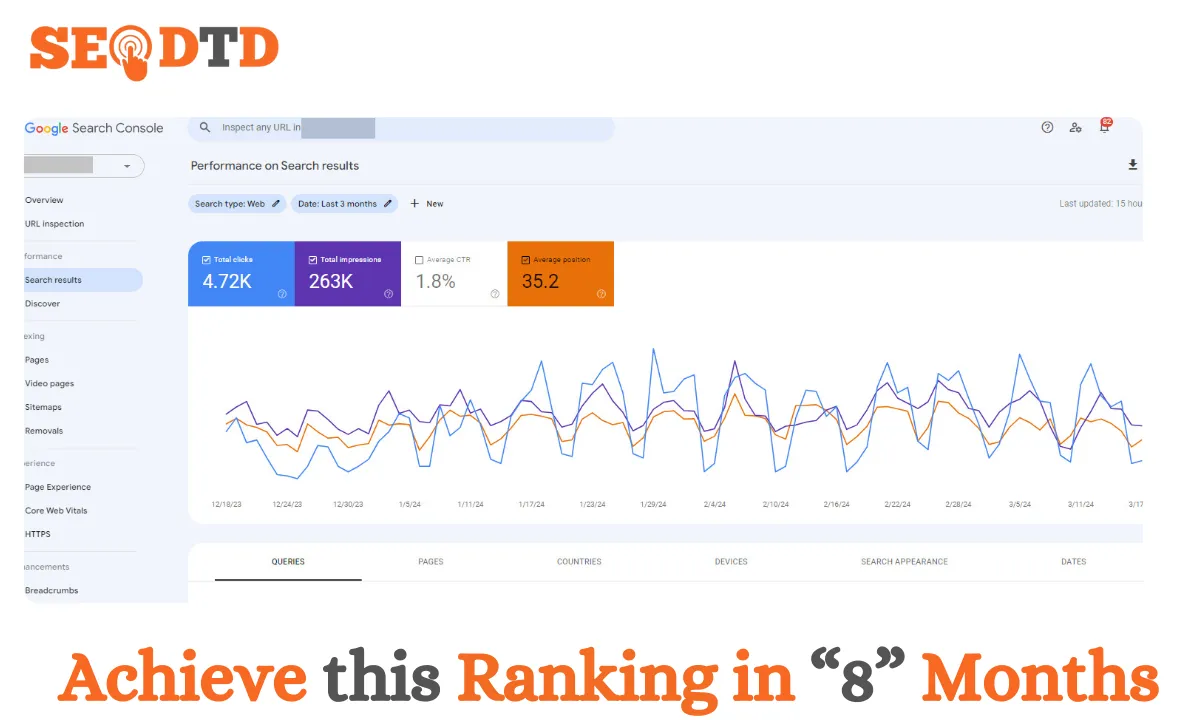
That kind of visibility does not come from shortcuts. It comes from consistent, disciplined, methodologically sound SEO work sustained over time. If you want to understand what a structured, results-driven approach looks like in practice, the portfolio of work at DTD shows the measurable business outcomes that this kind of investment produces.
Frequently Asked Questions About SEO Agencies in Lancashire
What should I expect to pay for a quality SEO agency in Lancashire?
Credible SEO retainers for Lancashire businesses typically range from £600 to £700 per month for focused local campaigns, rising to £1,500 or more for comprehensive programmes that include regular content production, active link building, and competitive keyword targets. The right investment level depends on your industry’s competitiveness, your current baseline, and how aggressively you want to grow. Any agency quoting well below £500 per month for a genuine full-service programme is either cutting corners or working on an unsustainably thin scope.
How is local SEO in Lancashire different from general SEO?
Local SEO targets geo-specific queries that include town names, county references, or proximity modifiers like “near me.” It focuses on Google Business Profile optimization, local citation building, review management, and geo-targeted content. General SEO targets broader, nationally competitive keywords. For most Lancashire businesses, local SEO delivers faster results, more manageable competition, and more directly commercial traffic. National SEO is relevant for businesses that genuinely serve customers across the UK rather than within the county.
What is topical authority and why does it matter for Lancashire businesses?
Topical authority is Google’s assessment of how comprehensively and credibly your website covers a specific subject area. A site that addresses every relevant question within a topic, with well-structured, genuinely useful content connected through logical internal links, is treated as a more authoritative source than a site with a handful of isolated pages. For a Lancashire business, building topical authority means creating content that answers every question your potential customers ask not just the ones attached to your highest-value keywords. The result is broader visibility across a wider range of searches, including ones you never explicitly targeted.
How long before I see ROI from an SEO investment in Lancashire?
For local SEO, initial ranking improvements for less competitive queries often appear within four to eight weeks of on-page and Google Business Profile work. Meaningful increases in enquiry volume typically follow in the three-to-six-month window. National and highly competitive local keywords take longer. The key point is that SEO ROI compounds: the value of the asset being built increases over time, whereas the cost per lead from organic search decreases as rankings consolidate.
Can small businesses in Lancashire compete with larger competitors through SEO?
Yes, and local SEO is often where small businesses achieve their most significant competitive advantage. A small plumbing business in Blackburn does not need to outrank national directories for generic plumbing terms. It needs to outrank four or five local competitors for the queries that Blackburn residents use when their boiler breaks. Focused, well-executed local SEO makes this achievable for businesses of any size, at a fraction of the budget required for a national campaign.
Should I run Google Ads alongside SEO or instead of it?
Both serve different purposes and work best when used together during the growth phase. Google Ads delivers immediate visibility for high-intent searches but stops generating traffic the moment the budget stops. SEO takes longer to build but creates a permanent, compounding ranking asset. For Lancashire businesses that need enquiries now while organic rankings develop, running focused PPC campaigns alongside SEO provides coverage across the full timeline. As organic rankings grow, paid spend can be reduced or redirected to new markets.
How does social media marketing support an SEO strategy for Lancashire businesses?
Social media marketing supports SEO by amplifying content reach, generating brand signals that search engines use to assess credibility, and driving traffic that contributes to positive user engagement metrics on your site. For Lancashire businesses, a consistent social presence on platforms where your customers are active builds local brand recognition that reinforces your organic visibility. The two channels work best when the content strategy is shared social content extends the reach of what your SEO programme is building, rather than operating as a separate, disconnected effort.
What makes DTD different from other SEO agencies in Lancashire?
DTD builds SEO programmes around topical authority and genuine content depth rather than generic keyword chasing. Every campaign starts with a comprehensive audit, followed by topical map development that maps out the full content architecture before a single piece is written. Reporting is connected to business outcomes, not just keyword position movement. And there are no lock-in contracts the work is retained because it delivers results, not because the contract requires it. See the results DTD has delivered across industries and markets.